When late June raises the question
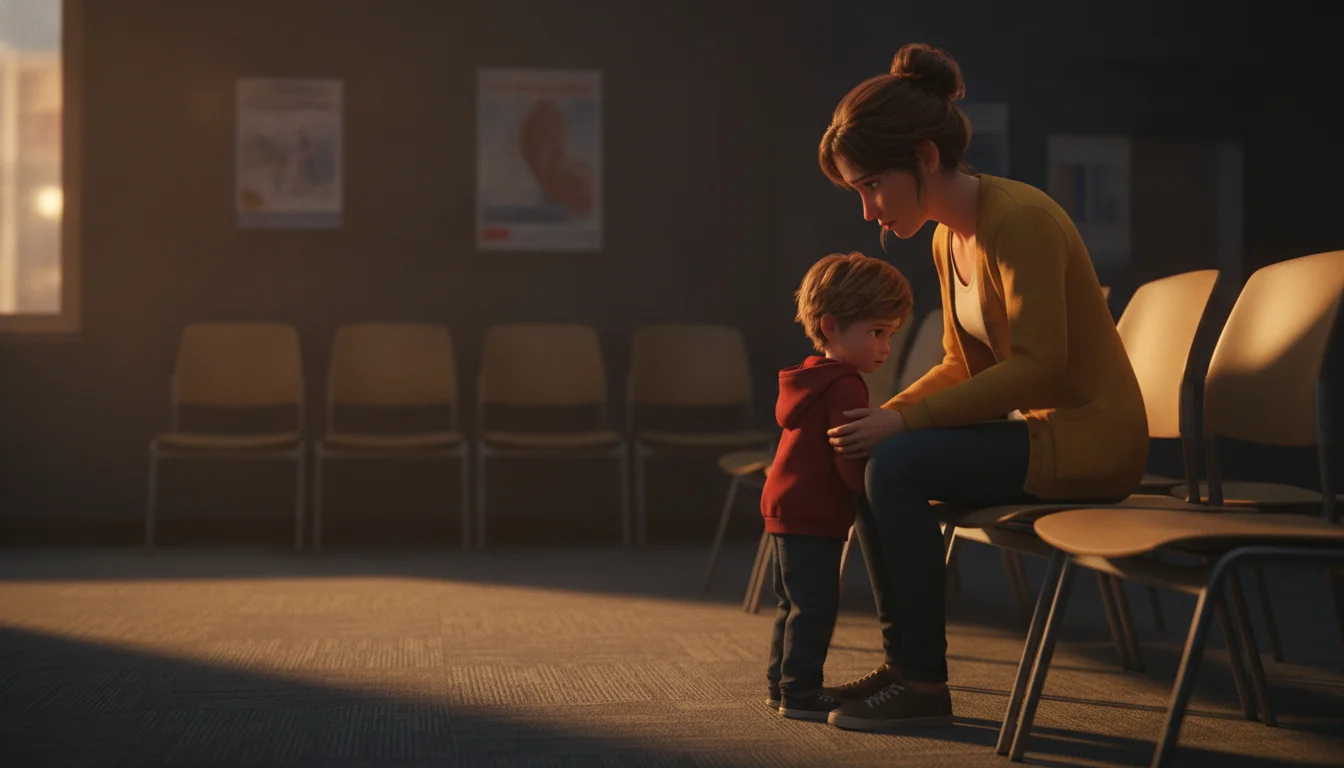
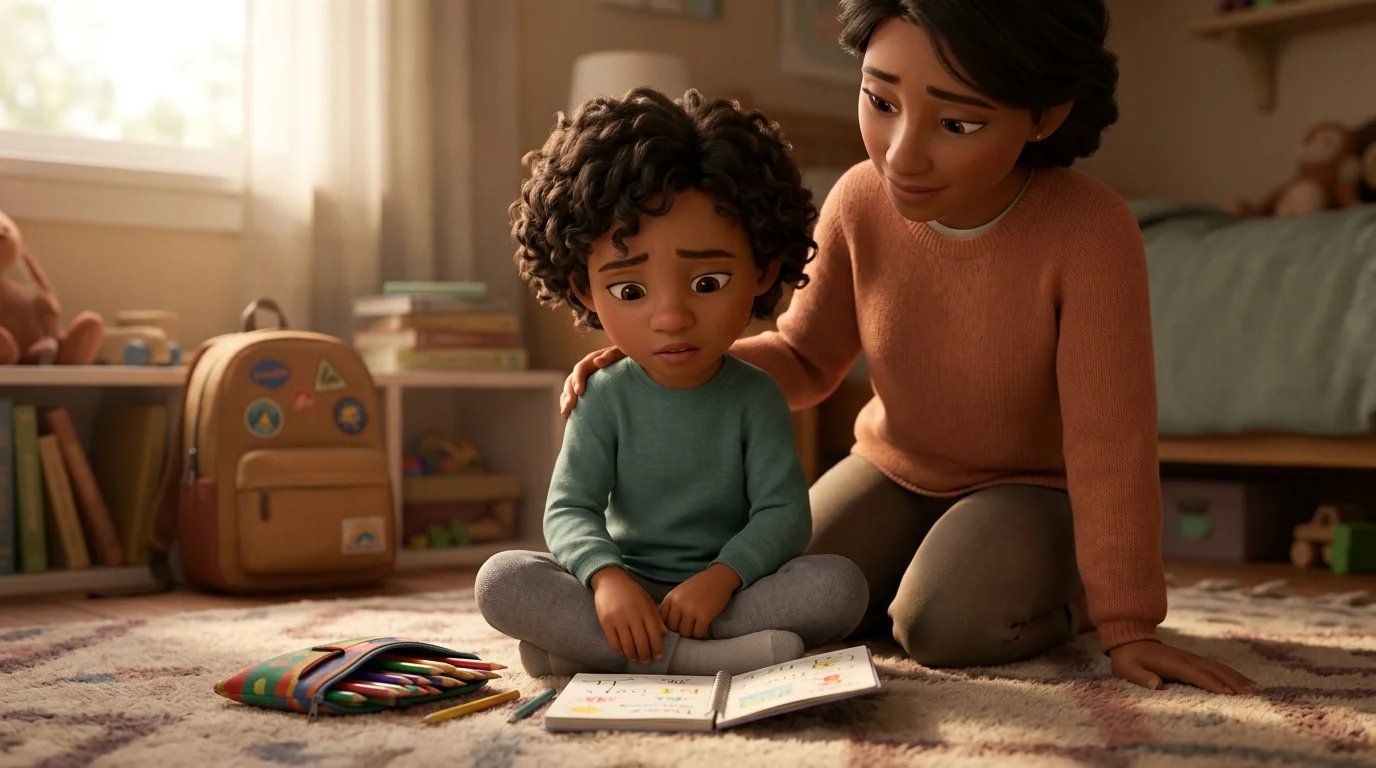
Eight in the evening, last Sunday before the summer break. Your child closes their end of year folder and asks, half whisper, half sigh: "Who will my teacher be next year?" The current grade is nearly done, the next one feels blank, and the teacher across the corridor has no face yet. This guide gives you five concrete ways to ease that transition during the summer, and explains how a personalised bedtime story can turn the unknown classroom into a small, manageable adventure.
Why moving up to the next grade unsettles children
Whether your child is moving from Reception into Year 1, from Year 2 into Year 3, from Kindergarten into first grade, or stepping up into the next class entirely, the jump bundles several invisible ruptures. A new teacher almost always, sometimes a new building, higher expectations, friends who may be placed in another group. For a child aged five to ten, losing familiar reference points is a real test. The NHS Mental Health pages describe how anticipatory worry around school transitions is one of the most common low grade anxieties in this age range, and one that responds well to gentle, repeated conversations at home.
Three threads usually run under the worry: fear of the new adult face, fear of no longer being able to do what they already mastered, and the quiet pressure of being told "you'll be a big kid now."
Five concrete levers for the summer
- Visit the school in July if the building is open during summer programmes. Walking the new corridor, the new playground, the new dining hall, makes the unknown space tangible.
- Name the teacher if you know who it will be. A name turns a silhouette into a person, and the stranger becomes someone you will meet.
- Prepare the supplies without rushing. Choose the backpack mid August, label notebooks together. The physical gesture grounds the transition.
- Celebrate what they already know. Reading their name, counting to one hundred, tying their shoes. Listing existing skills reminds them they arrive equipped.
- Tell a personalised bedtime story in which your child, named, walks into the new classroom and handles the day step by step.
Why a personalised story makes the difference
A generic story is about an anonymous hero moving up a grade. A personalised story names your child, sets the scene inside their actual future classroom, mentions the soft toy hiding in the pencil case, and turns the first day into a story in which your child succeeds. With Nanou Studio you compose the story in a few clicks. The 3D illustrations and the narrated voice take over, and your child sees themselves, calm and brave, in the very classroom that worried them.
Choose the right register
The family or school adventure register works beautifully for this summer moment. Browse the family stories to prepare the July and August evenings.
A six scene canvas for tonight
Imagine your child, named Leo, age seven, moving up to the next grade. Bunny soft toy is on the pillow. The mission: Leo visualises the first day and falls asleep confident.
- Scene 1 · Leo, in pyjamas, tells Bunny that the new classroom is making them a little nervous.
- Scene 2 · Bunny suggests a small pretend journey, just to see the first morning ahead of time.
- Scene 3 · The story opens, Leo walks into the new yard with their blue backpack, the playground already feels familiar.
- Scene 4 · The new teacher, called Miss Clara in the story, smiles and calls each name aloud.
- Scene 5 · Leo finds an old friend at the next desk, opens the fresh notebook, writes their name carefully in pencil.
- Scene 6 · The bell rings, Leo comes home proud, retells the day. The story closes, Bunny rests against the cheek, the new grade is no longer a wall.
Frequently asked questions
When should I start talking about the new grade?
From mid June, in response to your child's questions, without making it a daily summer topic. One honest conversation a week between late June and late August is enough. Talking about it too often plants the idea that the transition is something to fear.
Should we visit the school before the first day?
If the building is open, yes, especially when there is a change of wing or a move from primary to middle school. Fifteen minutes in the empty playground in July soothe more than an hour of discussion at home.
How do I handle a child who refuses to grow up?
Do not force the older child narrative. A child who says "I want to stay in my current grade" is often expressing the fear of losing their teacher, not a refusal of time passing. Name that sadness, then show what they gain: a new room, new activities, new books.
How long should the pre school year story ritual last?
Seven to ten minutes is plenty. A story that is too long dilutes the message. Three evenings a week across the last two weeks of August installs the ritual without saturating it.
Build the story that will soften the new grade
You have the child, you have the future classroom, you have the soft toy. What is missing is the story that turns the unknown into adventure. Create the first back-to-school story on Nanou Studio.