"Mum, I'm bored" for the fifth time before noon
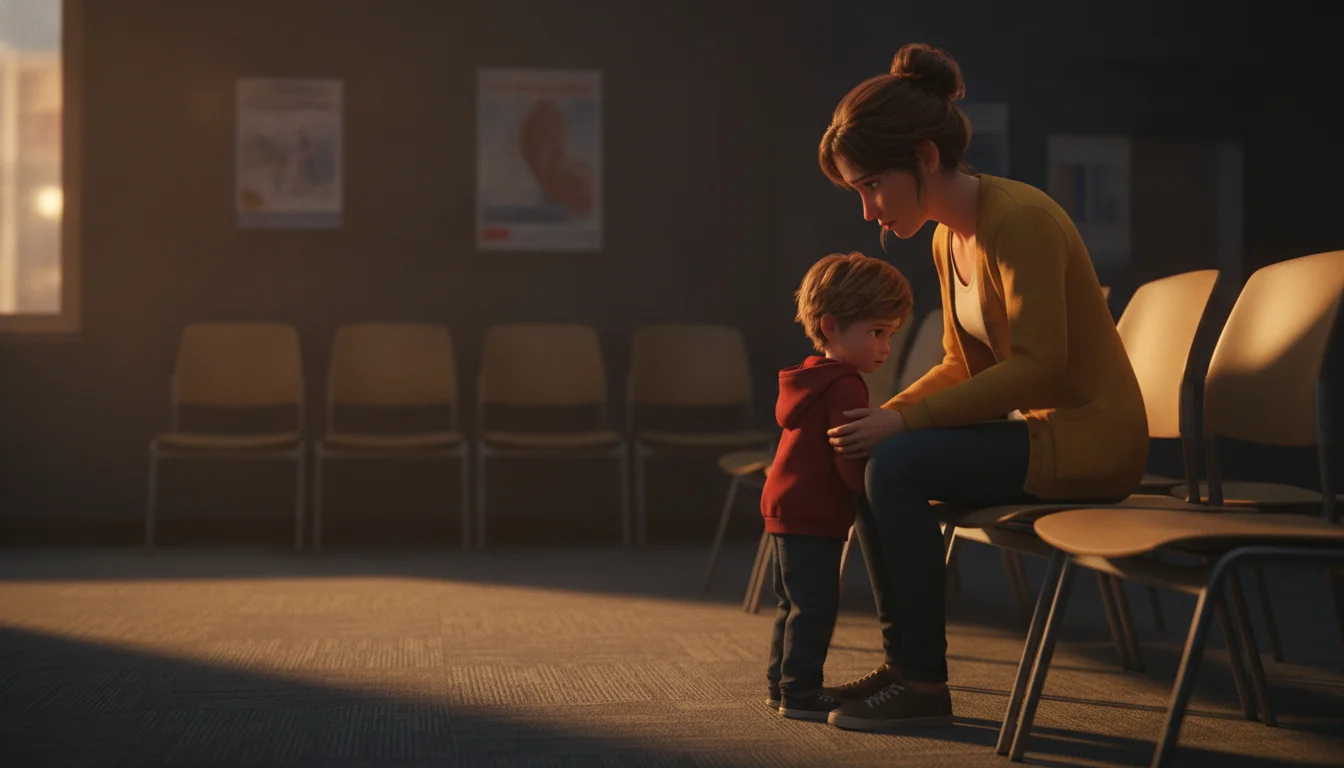
It is 11.47, the heat is rising, the fan is spinning to no effect, and your child marches into the kitchen with that fateful sentence. Fifth time since breakfast. You have already offered the felt-tip pens, the paddling pool, the morning cartoon and a call to the cousin. Nothing holds attention for more than eight minutes. You are not a bad parent, you are simply facing a classic of the school holidays: a child between four and eight who needs you to open a door, not to run an entertainment desk on their behalf.
Why boredom is a useful stage between four and eight
Paediatricians have been saying it for years: boredom is not a parental failure, it is an engine. When a child runs out of external stimulation, the brain switches to its default mode, the one that invents, connects, dreams. It is in those quiet dips that the most lasting games and the most stubborn vocations are born. The American Academy of Pediatrics parenting portal, healthychildren.org, keeps making the same point: tolerating ten to fifteen minutes of boredom a day trains autonomy and creativity, two skills that school cannot teach in your place. The trap is filling the gap too quickly with a screen. The window closes, and your child learns that discomfort is solved by sliding a finger across a tablet.
Five levers that actually work
You do not have to turn the living room into a theme park. Five levers, tested by thousands of parents, are enough to unlock a difficult day:
- Let the boredom last for ten minutes without intervening. It is uncomfortable, you will want to break, hold the line: the idea almost always arrives by the eighth sigh.
- Prepare an activity tub in advance, set on the floor, with toilet roll tubes, coloured tape, string, stickers and two markers. The child digs in alone, you stay in the background.
- Step outside for twenty minutes, even to a small park behind the building. The shift in light and temperature resets the system faster than any new toy.
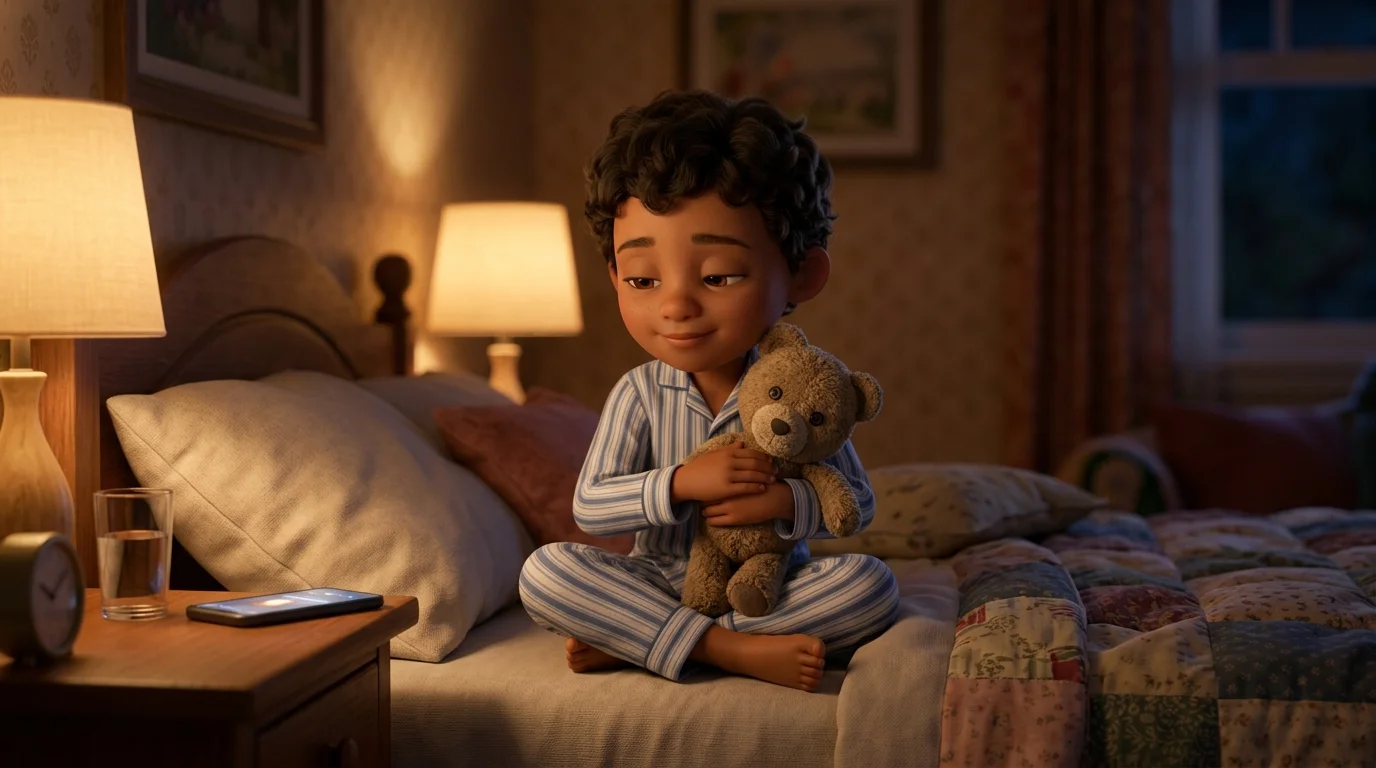
- Start a personalised audio story in which your child is the named hero. Quiet listening, lying on a rug, fills the imagination without monopolising a screen.
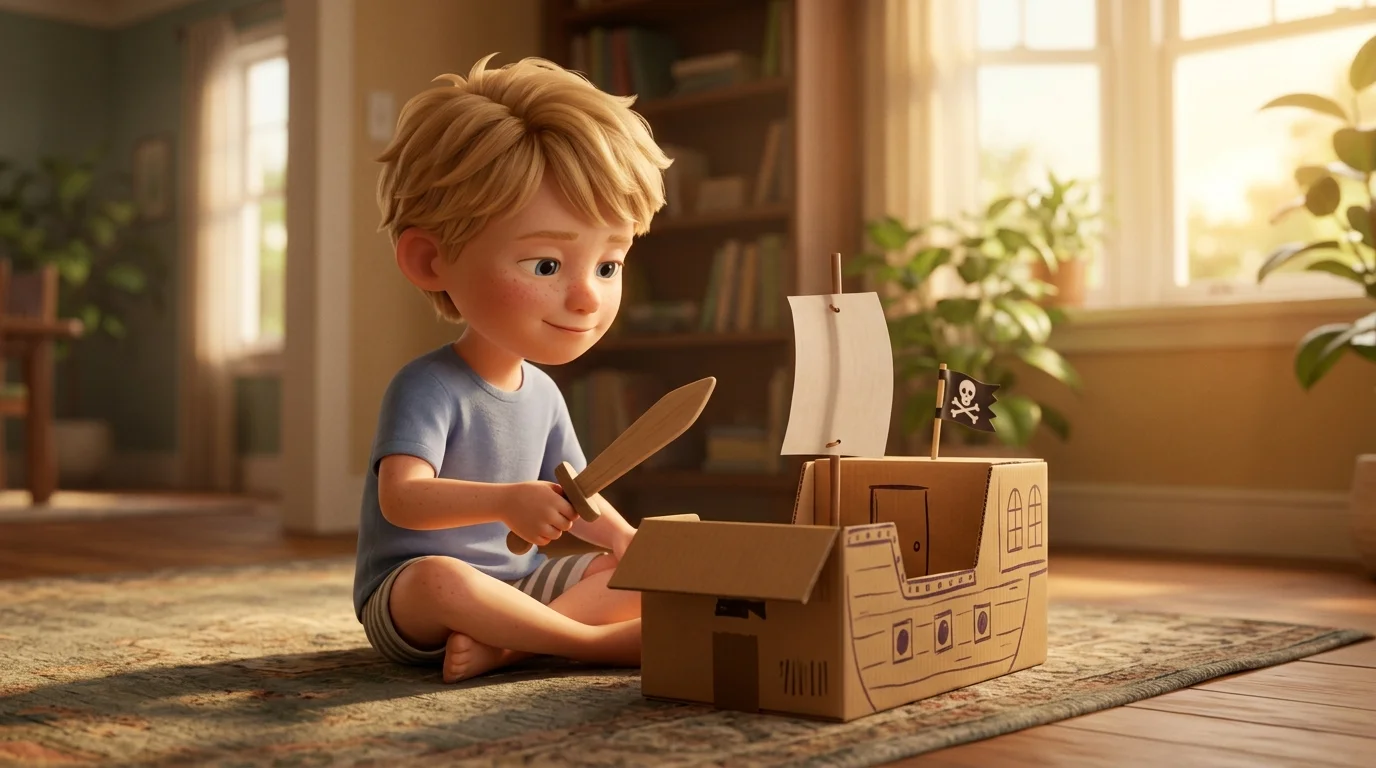
- Set up a project for the whole week: a herbarium, a holiday journal, a cardboard model. A distant goal gives meaning to the slow days.
Why a personalised story makes the difference
Classic bedtime reading works very well, but in the middle of a sweltering afternoon, your child needs something else: to be called explicitly by their first name, to save the situation, to meet an animal that resembles them. A personalised story, with their name as the hero and their best friend as the companion, triggers attention that lasts far longer than any generic tale. You can, for example, launch a summer adventure in the Nanou Studio collection while you prepare dinner. Fifteen quiet minutes of listening, and your child comes out of it with a game idea to extend on their own.
A concrete pitch in six scenes
Here is a template you can reuse as is, simply swapping Sam for your child's first name. Today's mission: find the key to a secret hut at the bottom of the garden.
- Scene 1 · Sam is bored on the sofa when a folded paper slides out from under the rug with a hand-drawn treasure map.
- Scene 2 · Sam slips on the flip-flops and heads into the garden, the sun beats down, the first stop is the big basil pot.
- Scene 3 · A ladybird, introducing herself as Captain Spot, offers help and explains the rules of the hunt.
- Scene 4 · Sam has to clear three mini-challenges: count seven yellow flowers, imitate a bird call, jump over a crack in the paving.
- Scene 5 · The key is hidden in a forgotten watering can, but the neighbour's cat is on guard and must be coaxed with a careful stroke.
- Scene 6 · Sam opens the hut, tucks an adventure notebook inside and decides to come back every morning of the week.
By the end of the story, your child will almost always want to set up a real treasure hunt in the garden or the living room. The spring is wound.
Frequently asked questions
How long should a story be for a bored child?
Aim for fifteen to twenty minutes for ages four to six, up to thirty minutes for ages seven and eight. Beyond that, attention drifts and the listening turns into background noise, which defeats the point.
Should you stay next to them during listening?
Not necessarily. Lay your child on a rug, dim the light, and leave them alone if you feel they are comfortable. Your presence helps at the start, much less once the story is running.
Does an audio story replace a book?
No, it completes one. The bedtime book stays irreplaceable for the ritual and the visual vocabulary. Audio is more useful for the slow patches of the day and for a bubble when you cannot read yourself.
What if my child does not click with it the first time?
Change the genre. A child who shrugs at an adventure can love a detective story or a gentler tale next time. You test two or three universes, you spot the lever, and you come back to it.
Boredom becomes a playground, not a problem
Long holidays flatten the routine, and that is good. Give your child a simple frame, an activity tub, a real short walk outside, and a story in which they are named: you will gain two hours of calm a day and they will gain autonomy ready for the new school year. To generate a story tonight with their first name, open Nanou Studio.